
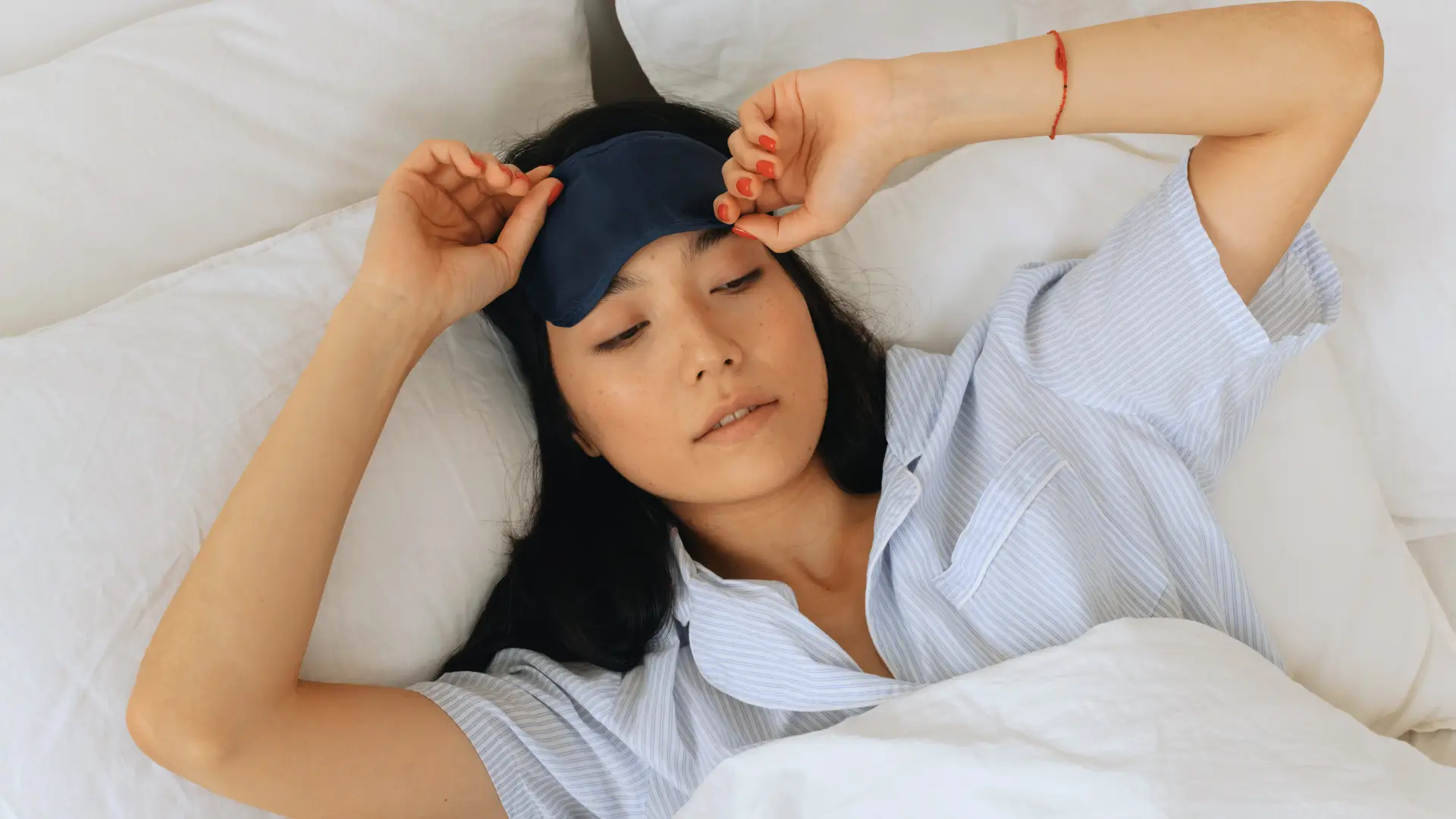
Whether you travel frequently, struggle with light sensitivity, or simply want to enjoy better sleep, an eye mask can help you achieve deep and restorative rest. A good sleep mask should block distractions and create a calming bedtime routine, but there are many types to choose from.
In our guide, we discuss the many benefits of sleeping with an eye mask and how this simple solution can help restore your sleep habits. We also take a look at the most common types of sleeping eye masks and what to look for depending on your sleeping position. Finally, we wrap up with some common mistakes to avoid when shopping for a mask in Singapore.
Benefits of using a sleep mask
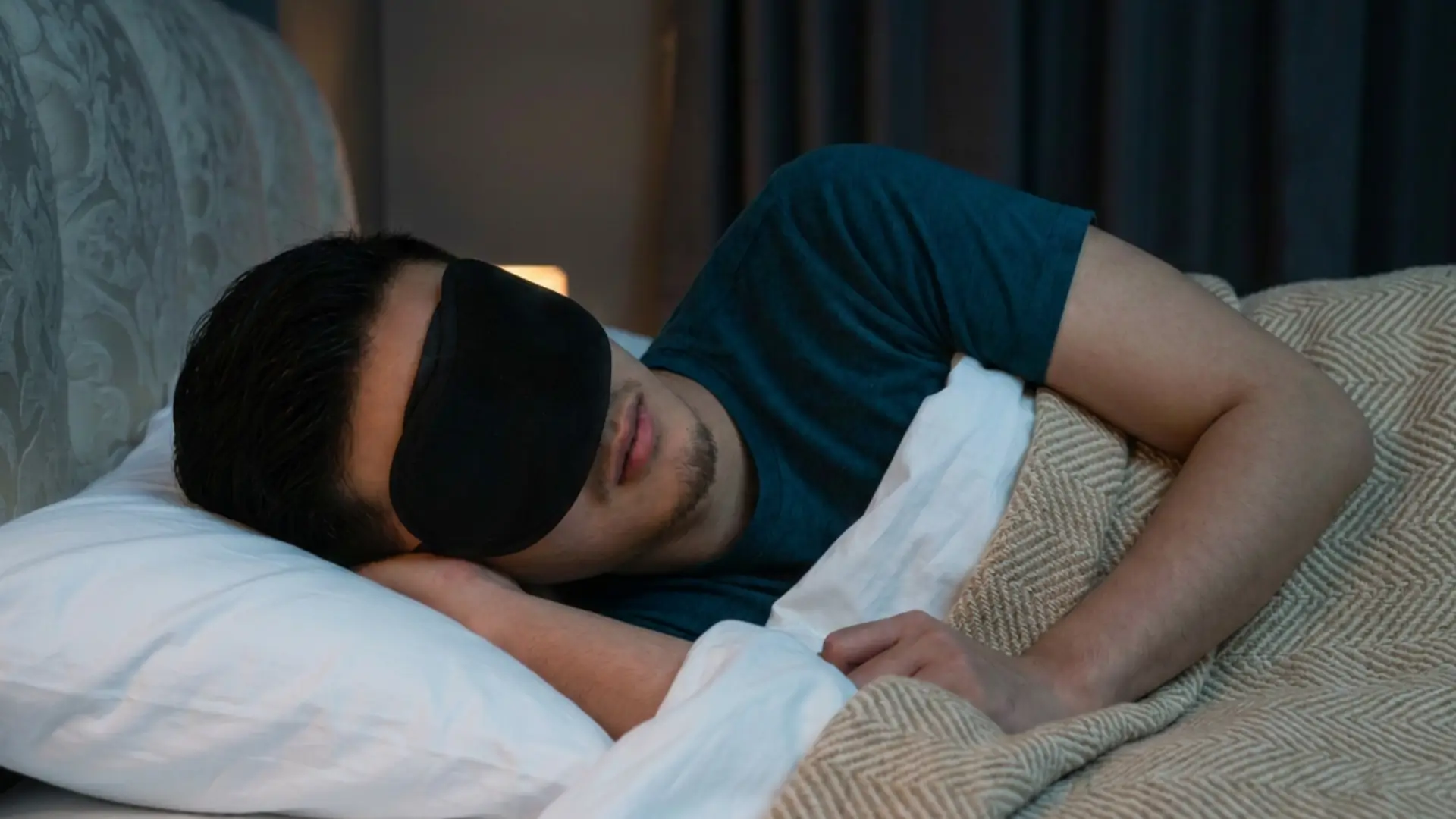
The first and foremost job of a sleep mask is to create a darker sleeping environment. Artificial light from streetlights, electronic devices or indoor lighting can disrupt your circadian rhythm, making it harder to fall asleep and stay asleep. Eye masks are a particularly useful solution for travellers and shift workers who need to rest during the day, but even if you sleep at night in a dark room, an eye mask can still offer support. Ambient light, like that emitted by bedroom lighting, can stimulate the brain and, in some cases,impact your physical wellbeing. An eye mask serves as a barrier to this disruption. In fact, research shows that sleeping in complete darkness helps to improve memory and alertness the next day.
Many people find that using a sleep mask helps them relax before bed and maintain a more consistent sleep routine. By reducing visual distractions and signalling to your brain that it’s time to sleep, an eye mask may be a simple first step in addressing conditions like insomnia and sleep anxiety. Some other lesser-known benefits of eye masks range from headache relief to wrinkle prevention, though these are usually less important than enjoying consistent, uninterrupted sleep.
Different types of eye masks
Not all sleep masks are made the same. They come in a range of shapes, sizes and materials, and choosing the right one depends on your sleeping habits and comfort preferences. For instance, some people prioritise blocking out as much light as possible, while others focus more on breathability or softness around the eyes.
Lightweight fabrics may feel cooler in Singapore’s humid climate, while adjustable straps can help prevent slipping or excessive tightness. If you move frequently during sleep or sleep in different positions, choosing a mask designed for stability and flexibility can make a noticeable difference.
Silk sleep mask
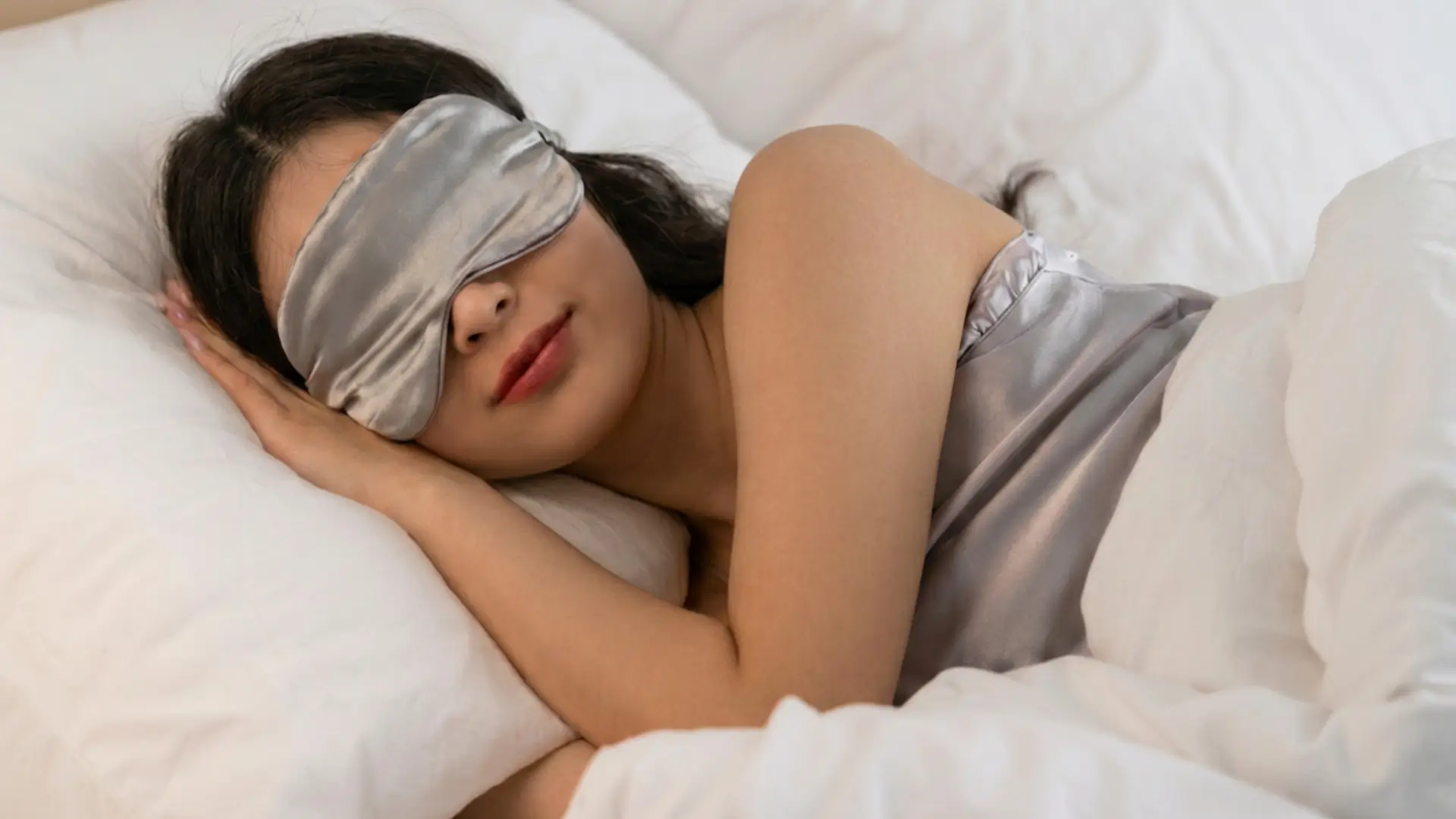
Sleep masks made of silk are popular for their soft, breathable texture. Silk feels gentle on sensitive skin and may reduce friction around the eye area compared to rougher fabrics. Many people prefer silk masks in Singapore because the material feels cooler and lighter during sleep.
Adjustable sleep masks
An adjustable sleep mask features flexible straps that help achieve a secure fit without feeling too tight. This adjustability is useful for people who shift position frequently during sleep or find standard sleeping mask straps too uncomfortable.
Weighted sleep mask
Weighted sleep masks apply gentle pressure around the eyes, similar to weighted blankets. Some people find this calming and relaxing, especially when winding down at the end of the day. These eye masks are often used for meditation and relaxation as well as sleep.
Contoured sleep mask
Contoured designs create space around the eyes and eyelashes. Aside from preventing the build-up of pressure, these masks are popular among users who dislike fabric touching their eyelids directly.
Blackout eye mask for sleeping
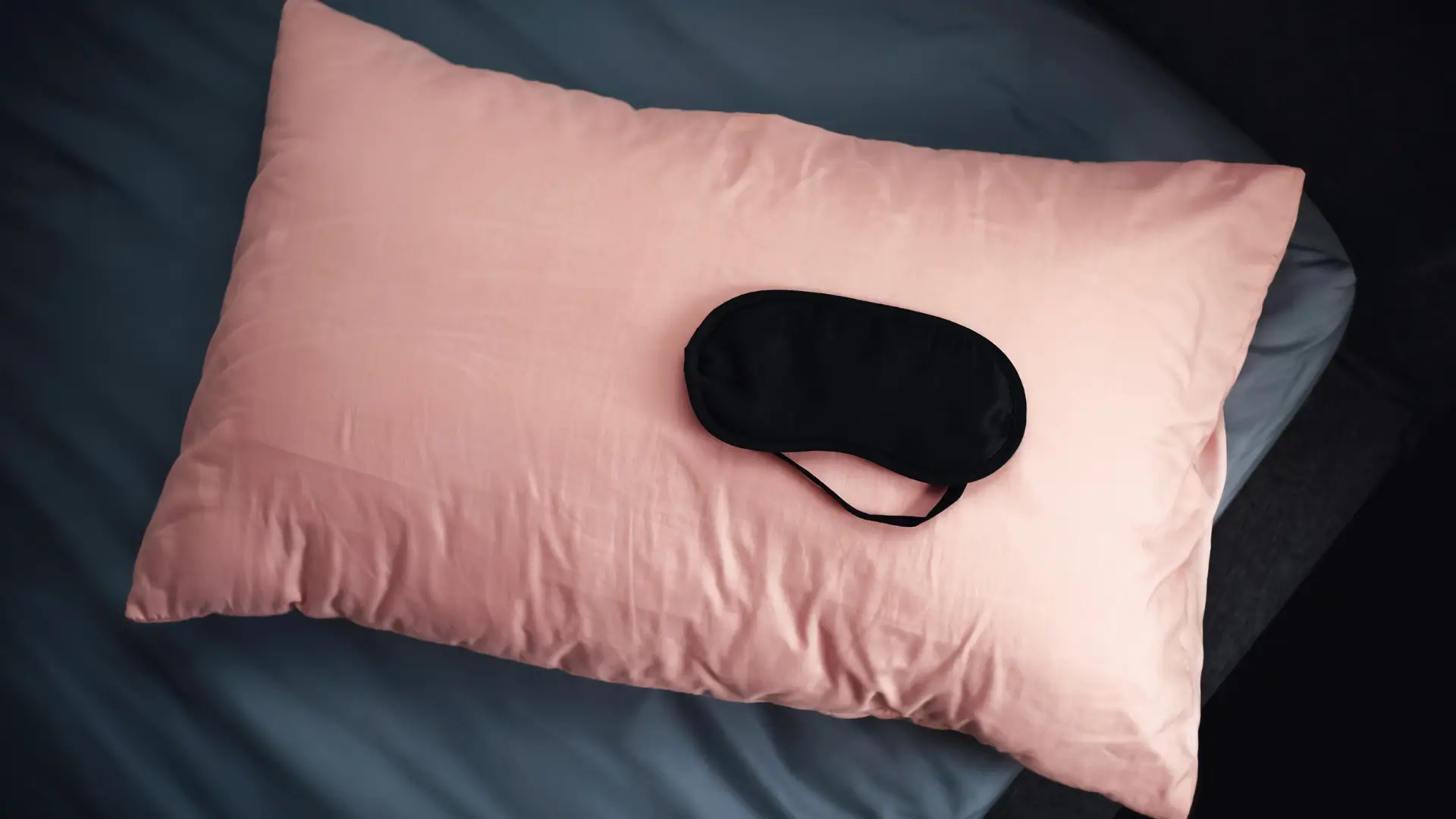
Blackout sleep masks are designed to completely block external light. These masks often feature contoured shapes or nose bridges to prevent light leaking through. They are ideal for light-sensitive sleepers, patients in recovery, shift workers and travellers.
Cooling eye masks
Cooling masks contain gel inserts or cooling fabrics that may help relieve tired eyes, puffiness, or headaches. They are especially useful after long screen-time exposure, and are ideal in countries like ours with warmer weather.
Choosing a sleep mask for your sleeping position
Your regular sleeping position will likely dictate how comfortable certain eye masks feel throughout the night. An eye mask that works well for one person may feel restrictive or shift constantly for another.
Eye masks for side sleepers
Side sleepers need an eye mask that stays secure. Loose masks are likely to slip off or shift during the night. Bulky masks can become uncomfortable when pressed against the pillow, so low-profile and flexible designs tend to work best.
An adjustable sleep mask is useful because it allows a snug fit without being too constricting. Soft contoured masks and lightweight silk options are also popular choices for side sleepers, especially for those who frequently change sides during the night. Slim straps and flexible materials help reduce pressure around the temples and ears while maintaining effective light blockage.
Eye masks for front sleepers
Front sleepers often experience the most pressure against the face, since they rest naturally face-down against their pillow. Ultra-soft and slim sleep masks are usually the best choice here, because they minimise bulk around the eyes and nose. Thick padding or rigid contours may press uncomfortably into the face, otherwise.
Breathable materials like silk or lightweight cotton can also help reduce heat buildup, which is more likely to occur if your neck and face are always pressed against your pillow in the same spot.
Eye masks for back sleepers
Back sleepers have the widest range of mask options to choose from without sacrificing comfort. Since the mask stays relatively stable in this position, back sleepers are free to enjoy blackout masks, contoured or padded designs, and even weighted sleep masks that provide gentle, calming pressure around the eyes without worrying about them digging in too deep.
How to choose the right sleep mask in Singapore
Since sleep preferences vary from person to person, it’s important to choose a mask that suits your lifestyle and sleeping habits.
- Choose breathable materials
Humidity can make thick fabrics uncomfortable to wear overnight. Breathable materials such as silk, satin, bamboo fabric, or cotton blends help reduce heat buildup and feel gentler on the skin overall. - Prioritise the right fit
A sleep mask shouldn’t feel like it’s about to slip off. When they’re too loose on the face, masks can shift during the night and allow light to leak in. On the other hand, masks that are overly tight may cause headaches, pressure around the eyes, or discomfort behind the ears. Adjustable straps are often the best option for achieving a personalised fit. - Consider your sleep environment
If you sleep in a brightly lit room or during daytime hours, a blackout eye mask for sleeping can provide better light coverage. Contoured designs with nose bridges are useful for minimising light leakage around the nose area. - Think about travel convenience
Frequent travellers may prefer lightweight, foldable masks that fit easily into carry-on luggage. Compact sleep masks are convenient for flights, hotel stays and commuting, especially for people who nap while travelling. - Choose comfort based on your sleeping position
Side sleepers generally benefit from slim and flexible masks, while back sleepers can comfortably wear more structured or padded designs. Front sleepers should prioritise ultra-soft masks with minimal bulk. - Look for eye-friendly designs
People with eyelash extensions, sensitive eyes, or makeup concerns may prefer contoured sleep masks that keep fabric away from the eyelids. They’re especially useful if regular masks press against your lashes or feel claustrophobic. - Consider additional features
Some sleep masks include cooling gel inserts or weighted designs for added relaxation. While not essential, these features may be soothing and meditative for many people, enhancing bedtime routines and ushering in calmer sleep.
Common mistakes when buying a sleep mask
Many people fall into the trap of choosing a sleep mask based on its design or aesthetic; however, comfort and fit are more important for long-term use. A sleep mask that looks stylish may still feel uncomfortable after several hours of wear. For example, choosing overly tight straps can create headaches, pressure marks, or discomfort around the ears. Thick or poorly ventilated materials may also trap heat, which can impact sleep quality.
Another common mistake is ignoring sleep position. A mask designed for back sleepers may shift or feel bulky for side sleepers, especially if it has thick padding or rigid contours. Some shoppers also overlook light leakage. Even a small gap around the nose area can reduce the effectiveness of a blackout sleep mask. Trying different shapes, strap styles, and materials can help you find a mask that feels comfortable throughout the night.
Key summary
- Sleep masks block light and improve sleep quality in bright environments.
- Different styles include silk, weighted, blackout, cooling, and adjustable sleep masks.
- Different sleeping positions are better suited to different mask shapes and styles for comfort.
- Breathable materials, proper fit, and lightweight designs are preferable in warmer climates.
- A good sleep mask can be a simple yet effective way to improve sleep quality.
Frequently asked questions
Yes. Sleep masks help create darkness, which encourages melatonin production and may improve sleep quality, especially in bright environments.
Place the mask comfortably over your eyes and adjust the strap so it feels secure but not tight. The mask should block light without creating pressure.
Soft, low-profile, adjustable masks usually work best for side sleepers because they create less pressure against the pillow.
Silk sleep masks are often preferred for their softness, breathability, and gentle feel on sensitive skin.
Yes. Sleep masks are commonly used on planes and public transport to block light and improve rest while travelling.