

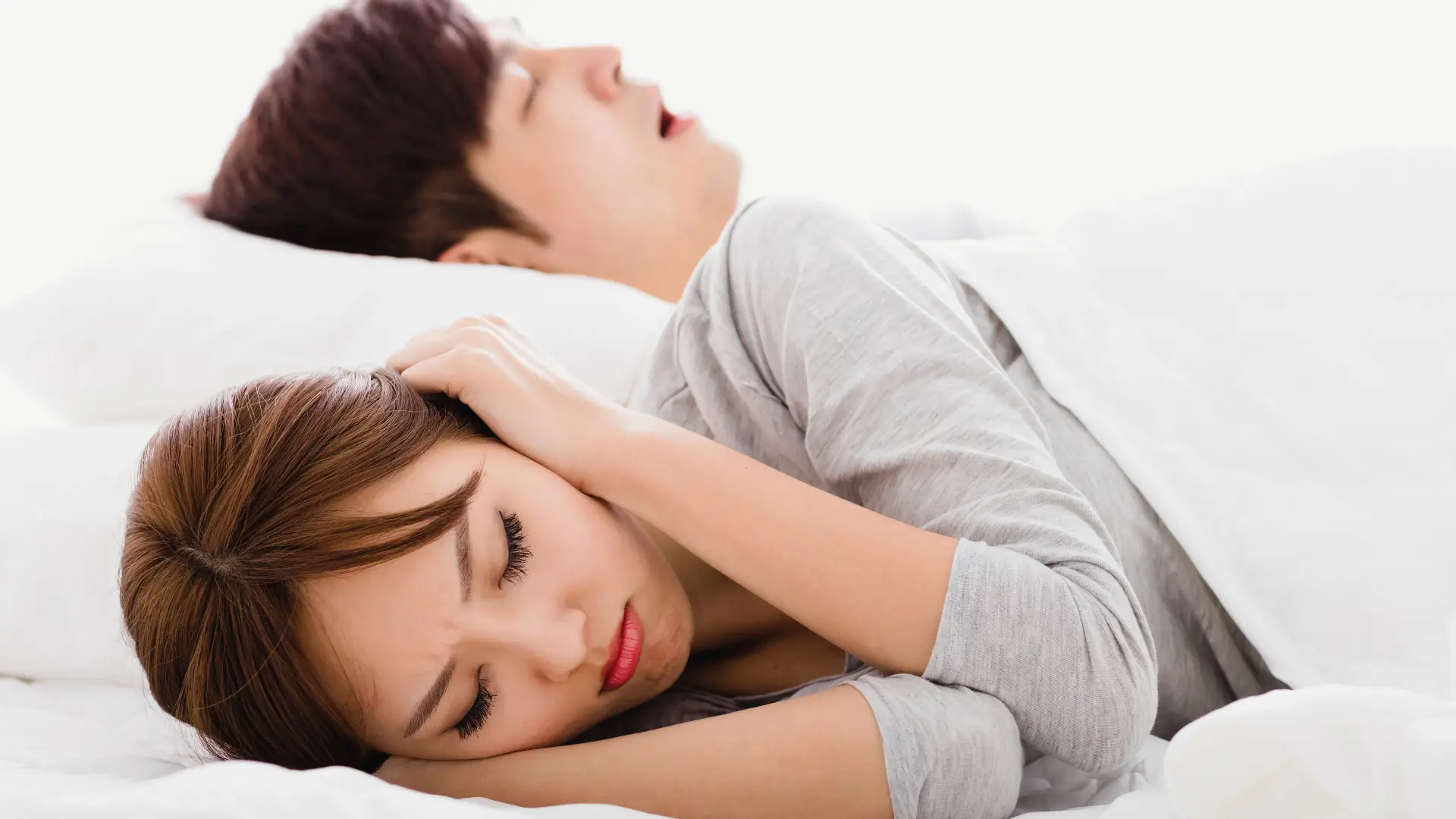
Snoring is one of the most common sleep complaints in Singapore and around the world, affecting not only the person snoring but often their partner as well. While occasional snoring is usually harmless, frequent or loud snoring can disrupt sleep quality and, in some cases, may be a sign of an underlying condition such as obstructive sleep apnoea.
The good news is that many cases of snoring can be improved with simple lifestyle changes, better sleep habits and the right sleep environment. In this guide, we’ll explain what causes snoring, how to reduce snoring naturally and when it’s time to seek medical advice.
What causes snoring?
Snoring happens when air cannot move freely through your nose, mouth or throat while you sleep. As you breathe, the soft tissues in your airway vibrate, producing sounds. The narrower your airway becomes, the greater the vibration and the louder your snoring is likely to be.
In many cases, this narrowing is temporary and caused by factors such as your sleeping position, nasal congestion or alcohol consumption. Singapore’s warm, humid climate means year-round allergies can also contribute to nasal congestion, making snoring more noticeable during certain times of the year. For some people, however, snoring may be a long-term issue stemming from anatomical factors and medications.
A number of things can narrow the airway or make these tissues more likely to vibrate, including:
- Sleeping on your back
- Excess weight
- Nasal congestion
- Smoking or vaping
- Drinking alcohol
- Certain medications
- Relaxed throat muscles
Obstructive sleep apnoea
Persistent snoring accompanied by choking, gasping or pauses in breathing may indicate obstructive sleep apnoea. This is a sleep disorder that occurs when the airway repeatedly collapses during sleep, briefly interrupting breathing dozens or even hundreds of times each night. Common symptoms include excessive daytime sleepiness; headaches and dry mouth in the morning; irritability and difficulty concentrating throughout the day; and generally poor sleep quality despite spending enough time in bed.
If left untreated, sleep apnoea can increase the risk of high blood pressure, heart disease, stroke and diabetes. If you or your partner notice these symptoms, it is important to speak with a healthcare professional. Diagnosis typically involves a sleep study, with treatment options including CPAP therapy, oral appliances, lifestyle changes or surgery.

How to reduce snoring
The most effective way to reduce snoring is to address whatever is restricting your airflow. Depending on the cause, a combination of lifestyle changes may help. If your snoring is caused by muscular weakness, medication or other health-related factors, it is best to speak with your doctor for assistance.
Sleep on your side
Certain sleeping positions can make snoring more likely, especially lying on your back, as this allows the tongue and soft tissues to fall backwards into the throat and partially block the airway. Instead, try sleeping on your side – this is one of the simplest ways to reduce snoring naturally, as it helps keep the airway open. A supportive pillow that keeps your head and neck comfortably aligned can make side sleeping easier to maintain throughout the night.
Reduce alcohol before bedtime
Alcohol relaxes the muscles that help keep your airway open while you sleep. As these muscles become more relaxed, the airway is more likely to partially collapse, increasing the likelihood and intensity of snoring. Limiting alcohol, particularly within three to four hours of bedtime, may noticeably reduce snoring.
Maintain a healthy weight and stay hydrated
Carrying extra weight around the neck and throat can place additional pressure on the airway, making it more prone to narrowing during sleep. Even modest weight loss may reduce airway obstruction and lessen snoring over time. Staying well hydrated throughout the day may also help keep your airways moist, which can support more comfortable breathing while you sleep.
Manage nasal congestion
Blocked nasal passages caused by allergies, colds or sinus problems can make it difficult to breathe through your nose and force you to breathe through your mouth instead. This increases airflow and vibration through the throat, resulting in louder snoring. Depending on the cause, you may find relief through saline nasal sprays or rinses, steam inhalation, nasal strips and general allergy management.
Quit smoking or vaping
Smoking or vaping irritates the lining of the nose and throat, causing inflammation and swelling that can narrow the airways. It may also increase mucus production, further restricting airflow during sleep. You may find your snoring is significantly reduced by cutting back or quitting these habits.
Strengthen your throat muscles
As you fall asleep, the muscles throughout your body naturally relax, including those that support your airway. In some people, this normal relaxation is enough to partially narrow the airway and produce snoring. This can become more pronounced as we age, since the muscles in the throat can gradually lose tone and become less effective at keeping the airway open during sleep. Some studies suggest that exercises targeting the tongue and throat muscles may help reduce snoring by improving muscle tone and reducing airway collapse. A healthcare professional can advise whether these exercises are suitable for your situation.
Can your mattress and pillow help reduce snoring?
The right sleep setup can make it easier to maintain a position that supports breathing throughout the night, reducing snoring and the likelihood of partner disturbance. Ensure you have a supportive mattress, an appropriate pillow for your sleep style, and consider whether an adjustable bed is right for you.
Choose a supportive mattress
A supportive mattress helps keep your spine in a more neutral position while you sleep. If your mattress is sagging or no longer providing even support, your body may sink unevenly, making it harder to stay comfortably positioned on your side and encouraging more movement onto your back.
A quality mattress that suits your body type and preferred sleep position can improve comfort throughout the night while supporting healthier sleep posture.
Use the right pillow for your sleep position
Your pillow plays an important role in keeping your head, neck and spine aligned.
- Side sleepers benefit from a higher-loft pillow that fills the gap between the shoulder and neck.
- Back sleepers need a medium-height pillow that supports the natural curve of the neck without pushing the head too far forward.
- Stomach sleeping is generally not recommended for people who snore, as it can place strain on the neck and throat.
Consider an adjustable base
For some people, gently elevating the head and upper body can reduce pressure on the airway and improve airflow. Many people also find this position more comfortable if they experience reflux or nasal congestion at night.
An adjustable bed base allows you to raise your head to a comfortable angle, which may reduce snoring for people whose symptoms worsen when lying completely flat.
When should you see a doctor about snoring?
The quality of your sleep plays an important role in both your day-to-day wellness and your long-term health. When snoring repeatedly interrupts your sleep, it can reduce the amount of deep sleep you get each night, leaving you feeling tired, less alert and less able to concentrate the next day. It can also disturb your partner’s sleep, affecting the wellbeing of everyone in the household.
You should seek medical advice if your snoring:
- Is very loud or occurs most nights
- Is accompanied by choking, gasping or pauses in breathing
- Causes excessive daytime sleepiness
- Is associated with morning headaches
- Continues despite lifestyle changes
A healthcare professional can determine whether your snoring is related to obstructive sleep apnoea or another medical condition and recommend appropriate treatment.
Frequently asked questions
Many people reduce snoring by sleeping on their side, maintaining a healthy weight, limiting alcohol before bed, staying hydrated and treating nasal congestion. If symptoms continue, speak with your doctor to rule out obstructive sleep apnoea.
A supportive mattress can help you maintain healthier spinal alignment and stay comfortably positioned on your side, which may reduce snoring for some people. If symptoms continue, speak with your healthcare professional.
The best pillow depends on your sleep position. Side sleepers generally benefit from a higher supportive pillow, while back sleepers usually need a medium-height pillow that keeps the head and neck aligned. An unsupportive pillow may place more pressure on the airway and contribute to snoring.
For some people, yes. Raising the head slightly with an adjustable base may help improve airflow by reducing pressure on the airway. Adjustable bases are not a treatment for sleep apnoea, but they may help reduce mild positional snoring.