

Choosing the best mattress for back support in Singapore is more than deciding whether you prefer a soft or firm bed. A quality mattress needs to balance comfort with the underlying support required to keep your body well aligned throughout the night, reducing pain and discomfort.
Hybrid-style mattresses combine a supportive spring system with cushioning comfort layers, creating a responsive sleep surface that provides both pressure relief and deep-down support. When your body is appropriately supported at night, you can achieve deeper, more refreshing sleep.
Quick answer
The best hybrid mattress for back support combines responsive underlying support with cushioning comfort layers that relieve pressure around the body. Look for a mattress that supports natural spinal alignment, responds appropriately to your weight and sleeping position, and provides the right balance of comfort, cooling and durability.
What is a hybrid mattress?
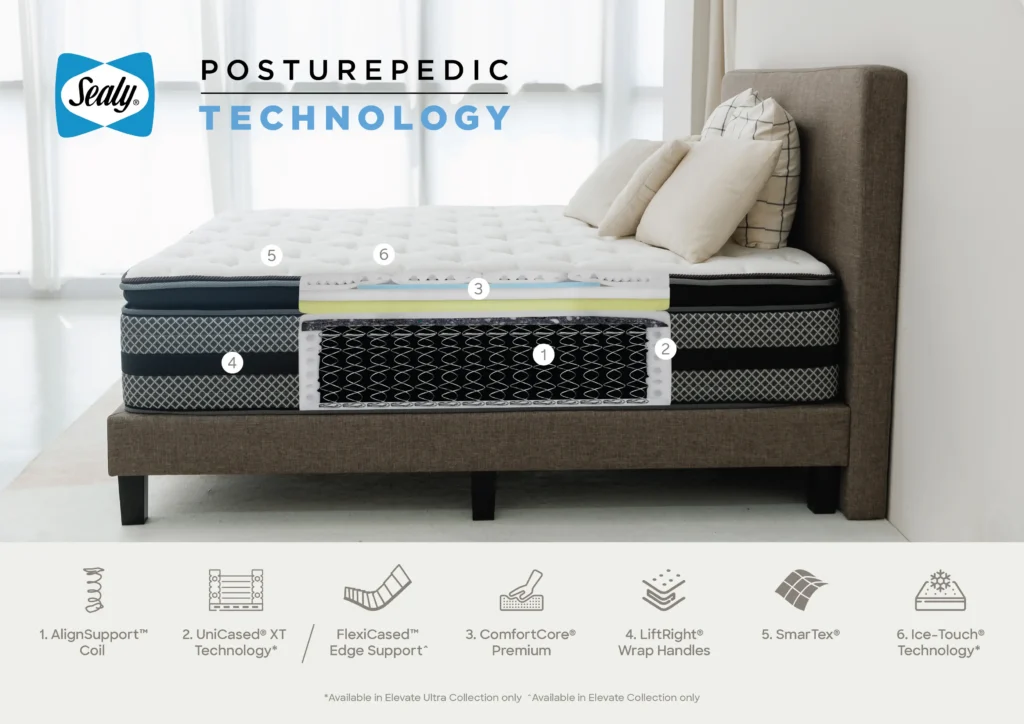
A hybrid mattress brings together different mattress technologies. Typically, this means combining a spring support system with comfort layers such as premium foams, memory foam, gel-infused foam or latex. The spring system provides the underlying structure and responsive support, while the upper layers contour to the body for cushioning and pressure relief.
It is this balance that makes hybrid construction appealing to sleepers who enjoy the comfort of foam but prefer the responsive feel and deeper support of a spring mattress.
Are hybrid mattresses good for back support?
A well-designed hybrid mattress may suit you better than a foam-only mattress or simple spring mattress for back support, but it depends on the quality of the mattress overall. Your mattress should accommodate the natural curves of your body without allowing heavier areas to sink excessively. Your hips, shoulders and torso place different loads on the mattress, so the support system needs to respond accordingly.
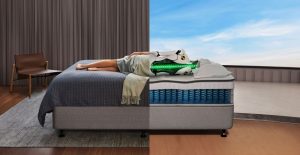
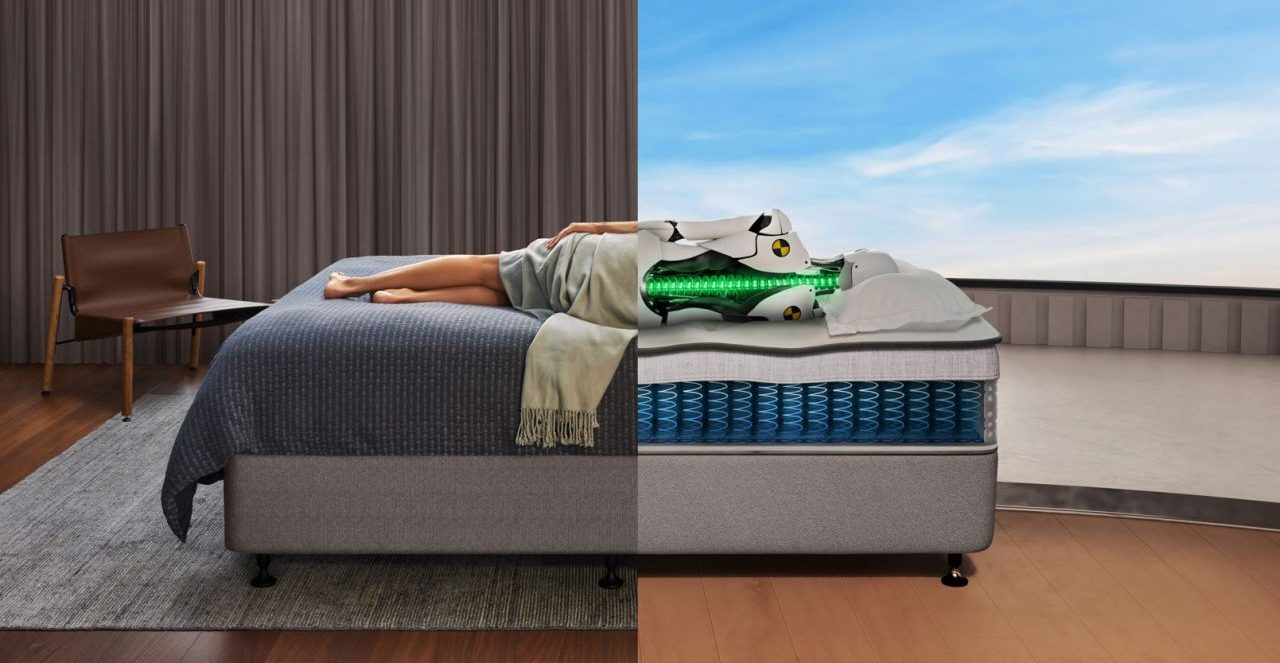
At Sealy, we combine premium comfort layers for targeted pressure relief with advanced spring systems backed by orthopaedic research, ensuring each mattress offers correct support for better sleep. Our research considers how the skeletal system aligns while the body is at rest, with the aim of maintaining natural spinal alignment. When your body rests in this neutral posture, the surrounding muscles can relax, preventing backache and relieving pressure in concentrated areas.

Correct Back Support

Targeted Pressure Relief

Orthopaedically Correct design
What should you look for in a mattress for back pain?
When shopping for a hybrid mattress, it is important to remember that not all mattresses are created equal. Look closely at the engineering behind the support system, the quality and durability of its materials, and how the complete mattress responds to your body.
Take the time to lie on different mattresses in your usual sleeping position. The best mattress in Singapore is not simply the softest, firmest or most technically complex. It is the one that delivers the right balance of comfort, pressure relief and support for your body. If you’re not sure where to start, try our online Mattress Selector.
1. Support for natural spinal alignment
Your mattress should provide sufficient underlying support to prevent your body from sinking into an unnatural position. Some spring systems only provide surface-level, inflexible support that does not necessarily respond to the way your body moves throughout the night.
Our industry-leading coil systems are designed to sense your weight before responding. They provide firmer, deep-down support in response to load, moving dynamically with different areas of the body rather than simply providing a uniformly hard surface.
2. Comfort and pressure relief
A mattress that creates excessive pressure around the shoulders, hips or other prominent areas can make it difficult to settle comfortably. This is where the upper comfort layers of a hybrid-style mattress become important. The comfort layers and foams need to contour around the body, helping to distribute pressure while the spring system provides support underneath. Without targeted pressure relief, you are likely to experience discomfort (and occasionally pins and needles), forcing you to toss and turn in an effort to get comfortable.
3. The right firmness
There is no single firmness that is suitable for everyone. Your body shape, weight and personal comfort preference all affect how a mattress feels. It also depends on your sleep position; for example, side sleepers place more pressure on concentrated areas (such as the shoulders and hips) and typically prefer softer comfort options. Back and stomach sleepers distribute weight over a wider area on the mattress, and as a result often prefer medium to firm mattresses.
The goal is to find a comfort level that allows your body to settle naturally while maintaining appropriate underlying support. We always recommend trying a mattress in person wherever possible, so that you can evaluate if the comfort and support match your sleep style and personal needs.
4. Cooling and breathability
Temperature is another consideration when choosing a mattress, especially in a humid climate like Singapore. Spring-based mattresses have space within their support structure rather than a solid foam core. This can assist airflow through the mattress, although temperature regulation ultimately depends on the entire construction, including its foams, fabrics and comfort layers.
If you tend to sleep warm, look beyond the word “hybrid” and consider specific cooling technologies. Selected Sealy Posturepedic mattresses feature Ice-Touch® Technology, designed to provide a cool-to-touch sleep surface.
5. Durability
Repeated use gradually places stress on fabrics, foams, springs and other components. A mattress that loses its original characteristics may no longer provide the same support it did when it was new. Be sure to choose a mattress that has tried-and-tested durability, backed by a significant warranty.
Sealy’s Research and Development program subjects mattress components to simulated wear, fatigue and performance testing, and we stand proudly behind a standard 10-year warranty/guarantee on all mattresses so you can rest assured your mattress will offer supportive rest for years to come.
Hybrid vs memory foam mattress: which should you choose?
The main difference between a hybrid mattress and an all-foam mattress is what provides the underlying support.
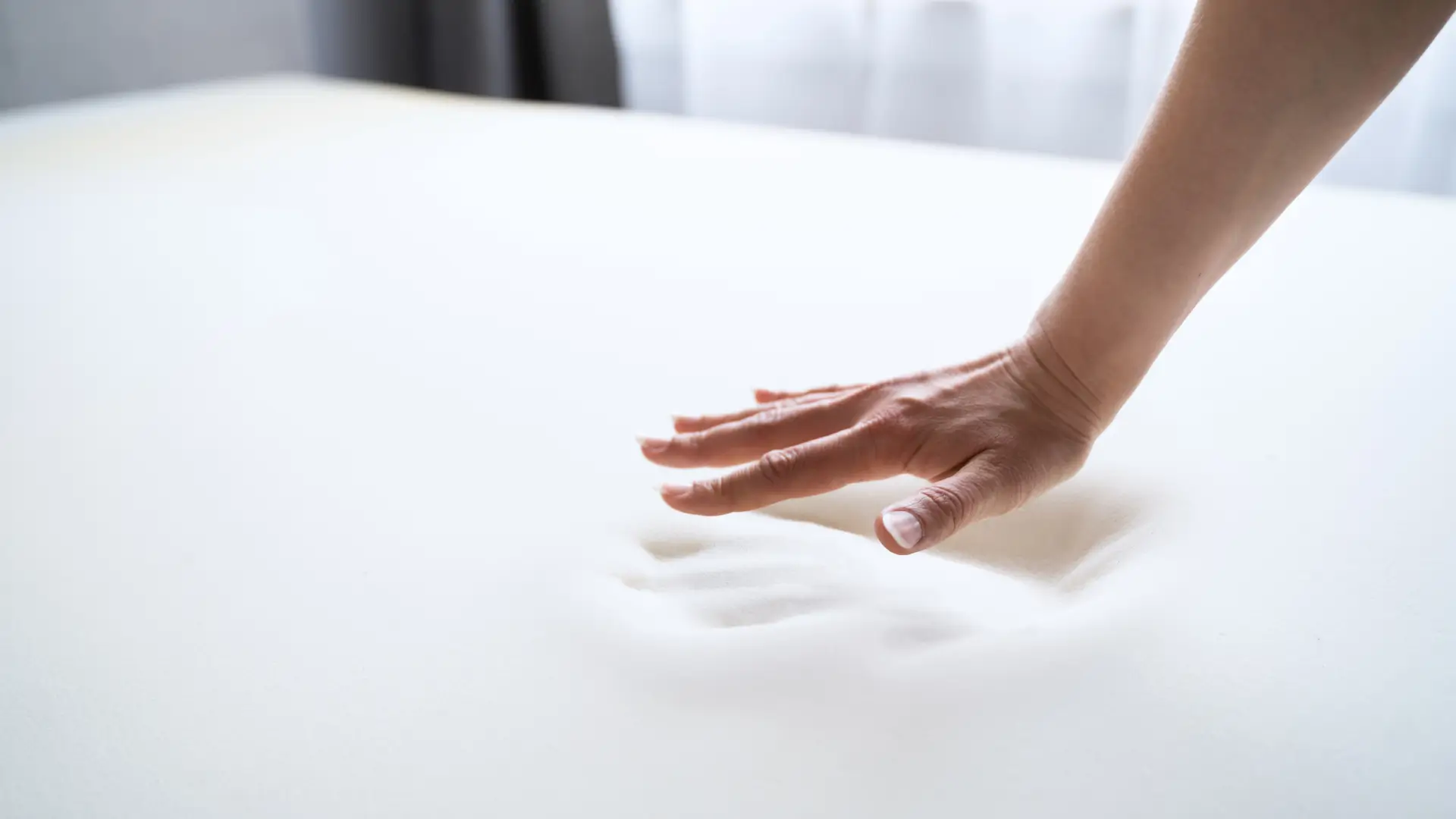
- Memory foam mattresses use layers of foam throughout their construction. This material is known for close contouring and pressure relief, creating a distinctive cushioning or “hugging” sensation. They tend to retain heat, creating a warmer environment than a spring or hybrid mattress.
- Hybrid-style mattresses pair comfort materials with a spring support system. This generally produces a more responsive feel, with cushioning at the surface and spring-based support deeper within the mattress.
What matters is whether the mattress provides the combination of support, pressure relief, temperature regulation and comfort that suits your body. For many people, the combination of deep support and cushioning comfort is paramount to achieving restful sleep, which is why we incorporate industry-leading spring systems in our mattress range.
Frequently asked questions
A hybrid mattress combines a spring support system with comfort layers such as premium foam, memory foam, latex or other cushioning materials. The aim is to combine responsive underlying support with contouring comfort and pressure relief.
A well-designed hybrid mattress can provide the support and pressure relief needed to maintain comfortable spinal alignment throughout the night, preventing mattress-related backache.
All-foam mattresses provide close contouring, while hybrid mattresses combine cushioning materials with the responsiveness and deeper support of springs. Consider support, comfort, temperature and feel rather than material alone.
They can be a good option for warm sleepers because a spring-based support structure allows space for airflow within the mattress. Cooling performance also depends on the comfort layers, upholstery and surface fabrics, so consider the entire mattress construction.
There is no universal firmness level ideal for back support. The appropriate feel depends on factors including body shape, weight and sleeping position. The mattress should provide comfortable cushioning without allowing the body to sink out of its natural alignment.
Look for a balance of responsive support, pressure-relieving comfort, temperature regulation and durable construction. Try the mattress in your usual sleeping position and pay attention to how well your shoulders, hips and lower back are supported. If you’re not sure where to start, try our Mattress Selector.