


Duvets are used by many Singaporeans for their soft and cosy comfort at night. Highly versatile and available in a variety of fabrics and fillings, duvets add luxury to a bedroom setting and contribute to the overall style of your home.
Some types of duvets are more suitable than others for warmer weather and humid climates, so care should be taken when choosing your next duvet. In this article, we discuss these differences and compare duvets to quilts and comforters. We also include some tips on choosing a cover with the right fabric, size and care requirements so you can enjoy comfortable, refreshing sleep.
Duvets in Singapore
In our humid climate, bedding often needs to be breathable and lightweight. According to The Straits Times, our nightly temperatures have been increasing over the last few years, and where the temperature soars, our sleep tends to suffer. You are more likely to toss and turn, or wake up in the middle of the night feeling restless and uncomfortable, especially if your bedding isn’t designed to promote cooling comfort and airflow.
When it comes to duvets, materials like bamboo, TENCEL™ and silk are preferred for their cooling, moisture-wicking properties and their ability to regulate temperature. Heavy options like wool or down are less common, with many people opting for all-season or light-fill duvets to stay comfortable without overheating at night.
Common types of duvets
The below list includes some of the most common duvet fillings found in Singapore. Besides comfort and temperature considerations, some duvets are better than others for those with allergies, asthma or sensitive skin. It is important to consider the whole duvet; while the filling might be suitable for your needs, ensure a duvet’s outer casing is made of the same or a similarly ideal material.
- Down/feather: Filled with the feathers or softer down of ducks or geese. These types of duvets are known for being fluffy, generally of a higher loft and heavier overall. They can be quite warm.
- Down alternative: Filled with synthetic material that is similar to feathers and down, mimicking the softness and loft for those who need more hypoallergenic materials.
- Silk: Light and hypoallergenic, silk filling is ideal for humid climates as it is temperature regulating, but may be more expensive to purchase and care for.
- Wool: Because wool is a naturally dense material, this duvet type may not be suitable for a humid climate like Singapore. It does have moisture-wicking properties but easily traps heat.
- Bamboo: Naturally derived, bamboo is an ideal duvet filling due to its hypoallergenic, temperature-regulating and moisture-wicking properties. 100% bamboo is known for its softness and breathability.
- Microfiber: A filling that is breathable, easily washable and is known for repelling moisture. The feel is usually soft and fluffy, almost down-like in texture.
- TENCEL™ lyocell: This filling is naturally derived, environmentally friendly and ideal for those with sensitive skin. It is also moisture-wicking, ideal for humid climates.
- Polyester/synthetic: These fillings are high loft or thicker in feel, and generally low maintenance as they can usually be put in the washing machine. They’re also ideal for those with allergies or sensitivities, though these fibres are usually not as long-lasting as natural materials.
Comparing duvet types and seasonal uses
The below table is a useful starting guide, however properties of individual duvets may vary depending on the fibre blends (where the materials are mixed with others), and whether there is a different cover material. Always check the label on your product and follow the manufacturer’s instruction label for washing and general care.
| Type of duvet | Natural | Synthetic | Breathability | Allergens | Best for | Care |
|---|---|---|---|---|---|---|
| Down/feather | Moderate | High | Cold climate | Delicate care required | ||
| Down alternative | Moderate | Low |  All seasons All seasons | Machine washable | ||
| Silk | High | Low | All seasons | Delicate care required | ||
| Wool | High | Moderate | Cold climate | Delicate care required | ||
| Bamboo | High | Low | Hot climate | Machine washable | ||
| Microfiber | Moderate | Low | All seasons | Machine washable | ||
| TENCEL™ | High | Low | Hot climate | Machine washable | ||
| Polyester/synthetic | Low | Low | Cold climate | Machine washable |
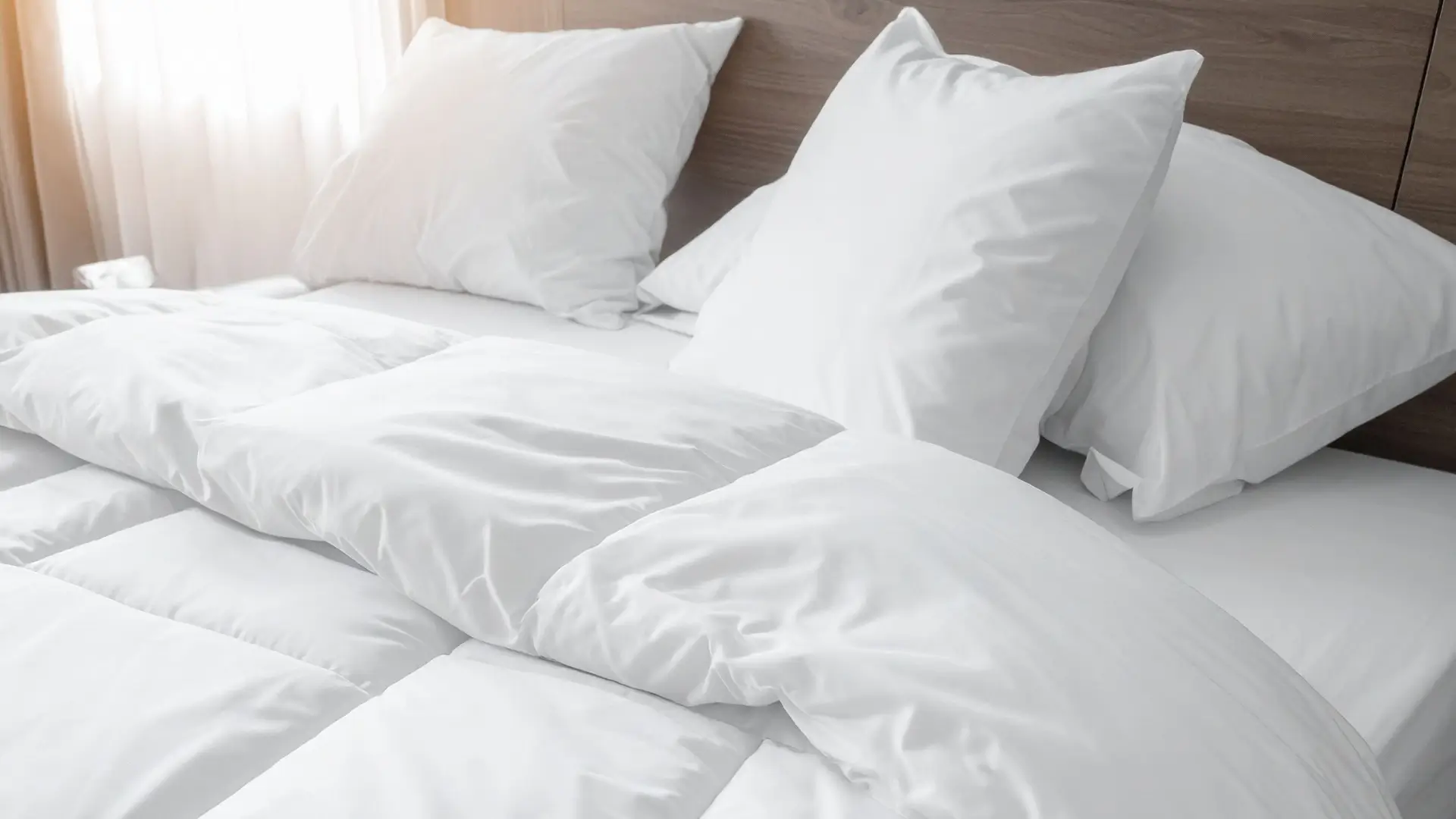
What is the difference between a duvet, a quilt and a comforter?
Duvets and comforters are common bedding choices, especially in air-conditioned homes and hotels where humidity and warmth are secondary concerns to luxurious comfort. Quilts are a versatile bedding solution, often found in homes and guest spaces for touches of cosy, homely comfort or individual styling.
Duvet vs quilt
A duvet is a soft insert filled with down, feathers, or fibres and typically used with a removable duvet cover. This makes it easy to wash and allows interchangeable styles. A quilt, by contrast, is a stitched, multi-layer blanket where the filling is sewn between fabric layers, so it is usually used without a separate cover. Quilts are often thinner and decorative, while duvets are fluffier and designed mainly for warmth and insulation.
Duvet vs comforter
A duvet is an insert designed to be placed inside a removable cover, allowing users to wash or change the outer layer easily. A comforter, however, is a single, quilted blanket with filling sewn inside, mimicking the fullness and loft of a duvet, and is used as-is without a separate cover. Comforters are typically sold as part of bedding sets, while duvets are bought separately and paired with different covers for flexibility in style and maintenance.
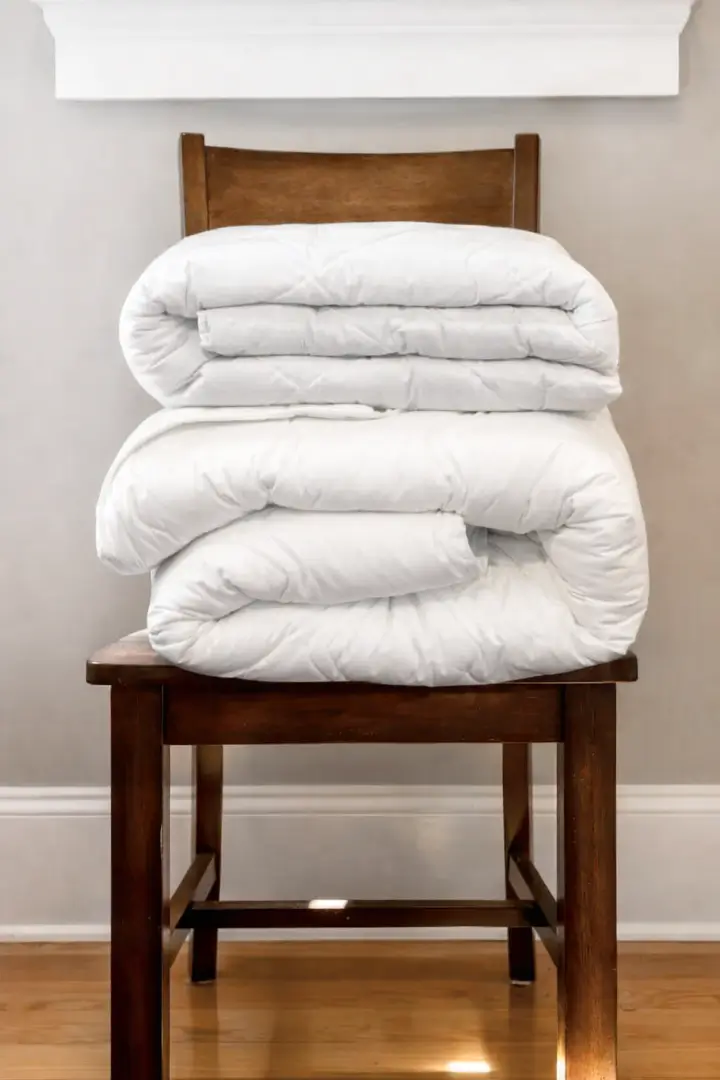
Duvets
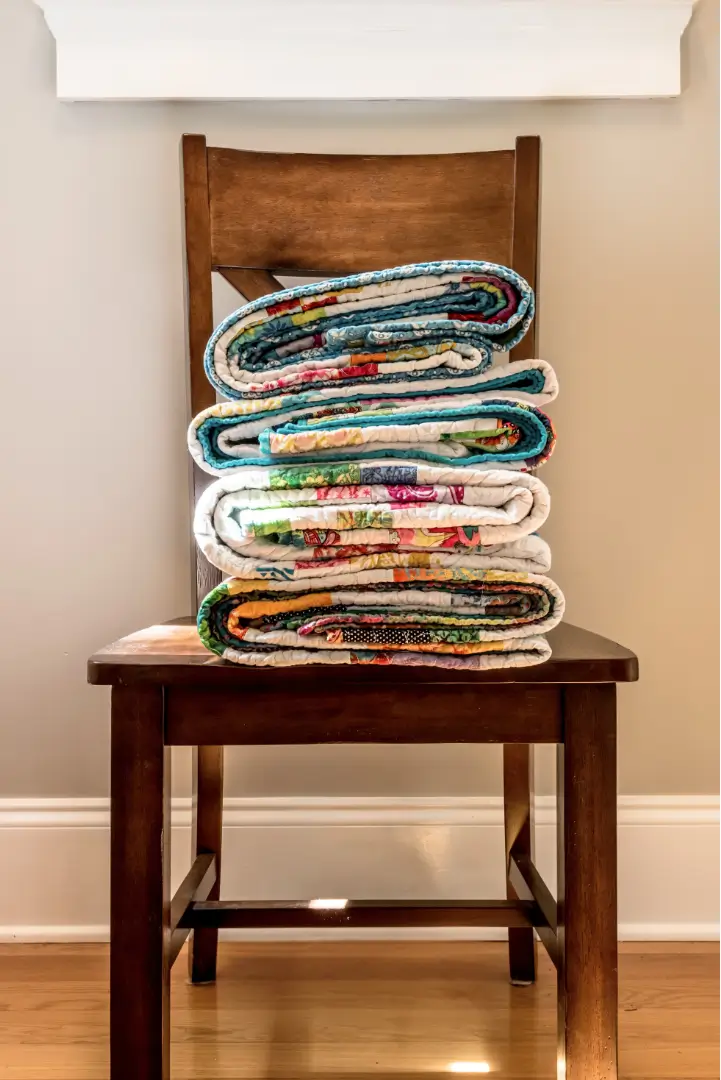
Quilts
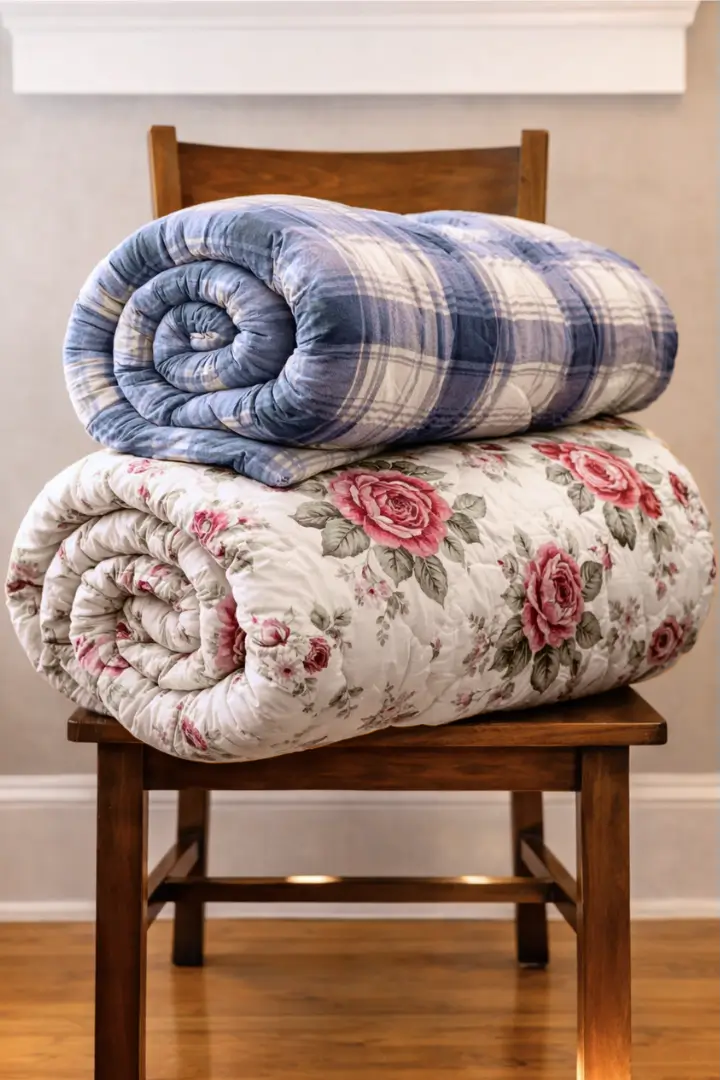
Comforters
How to choose a duvet
We suggest prioritising breathability and temperature regulation when choosing a duvet. Lightweight fillings such as bamboo, TENCEL™ or silk help dissipate heat and wick away moisture, keeping you cool and comfortable throughout the night.
Consider the weight or fill level of the duvet. Heavy, high-loft options like down or wool can feel too warm in humid conditions, so many people prefer light or all-season duvets that provide comfort without trapping excess heat.
It’s also important to think about practicality. Opt for hypoallergenic materials if you have sensitive skin, allergies or asthma. Choose a duvet that is easy to care for, as frequent washing may be needed in warmer environments.

What is a duvet cover?
A duvet cover is a removable fabric casing designed to protect and encase a duvet insert. Similar to a pillowcase, it slips over the duvet and is usually secured with buttons, zips, or ties. Duvet covers make it easy to keep bedding clean, as they can be removed and washed regularly without needing to clean the inner filling as often. They also allow you to change the look of your bed quickly, with different colours, patterns, and fabrics to suit your style or season.
Choosing a duvet cover
Fabric type: Choose breathable materials like cotton, linen, bamboo, or TENCEL™ for comfort. Natural fibres feel softer, regulate temperature better, and are ideal for warmer weather.
Thread count: A higher thread count does not equate to quality or softness. Instead, look for well-made fabrics that balance softness, durability and breathability.
Closure style: Options include buttons, zips, or ties. Zips are secure and neat, while buttons offer a classic look and are easier to repair if needed.
Size & fit: Match your duvet cover to your insert size. A snug fit prevents bunching inside, keeping the duvet evenly distributed for better comfort and appearance.
Care requirements: Check washing instructions before buying. Easy-care, machine-washable fabrics are more practical for everyday use, especially in busy households or humid environments.
Frequently asked questions
Duvet covers should be washed every 1–2 weeks, while the duvet insert itself typically only needs cleaning every few months, depending on use and care instructions.
Yes, many options are hypoallergenic. Look for materials like bamboo, TENCEL™ or synthetic down alternatives that resist dust mites and allergens.
Match your duvet to your mattress size, but consider sizing up for a fuller, more luxurious drape and better coverage, especially for shared beds.
A good-quality duvet can last 5–10 years with proper care. Natural fillings may last longer, while synthetic options can be more affordable but may need replacing sooner.
Yes, many people use all-season duvets. In warmer climates, a lightweight option is often sufficient year-round, while cooler regions may benefit from seasonal switching.